
Septic Tank Pumping: How Often Should You Schedule Service?
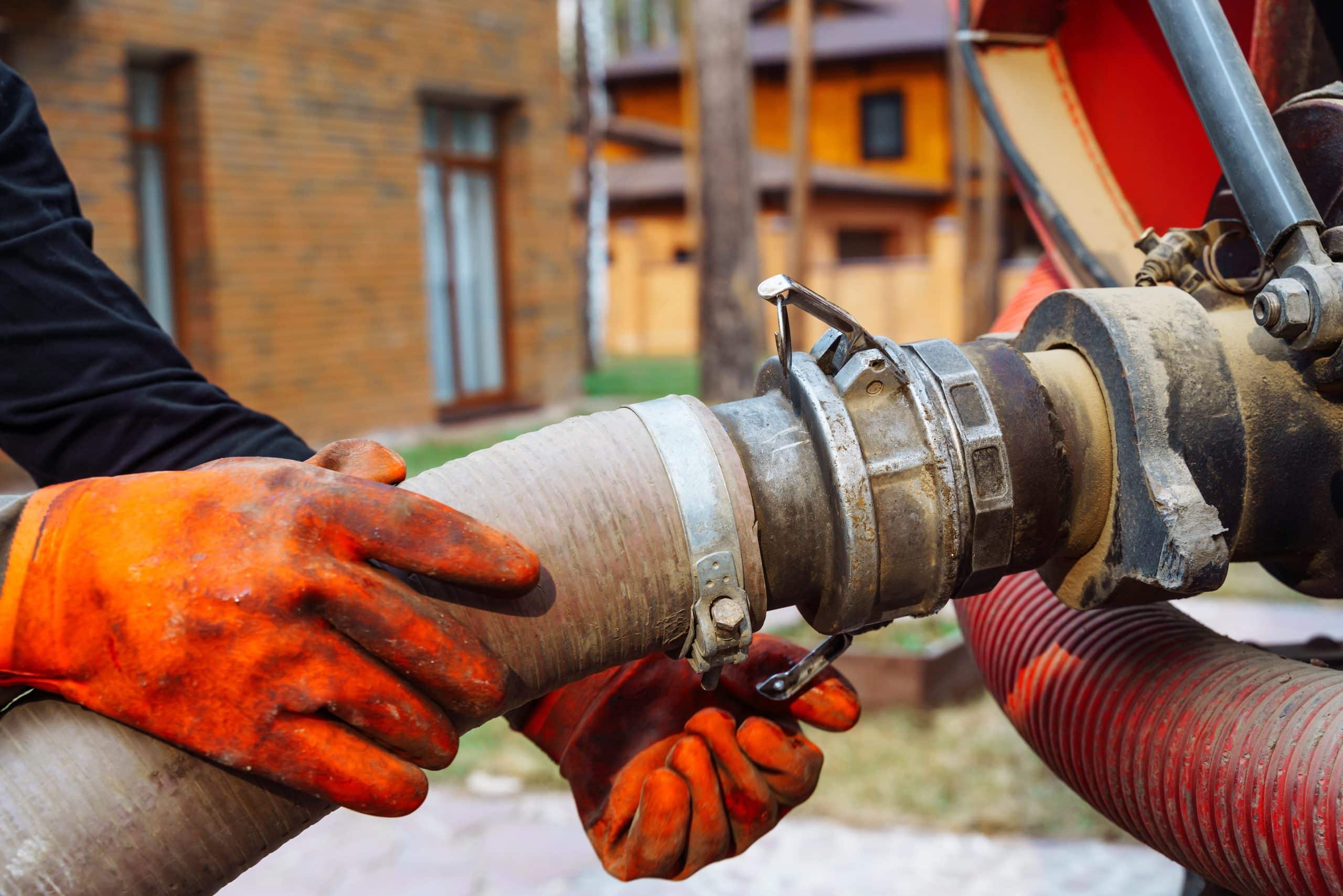
When was the last time you had your septic tank pumped? If you can't quite remember, chances are your system’s been working overtime without a break.
Your septic tank quietly manages every drop of wastewater from your home's showers, toilets, laundry, and dishes. Without proper maintenance, it could give out long before its time.
Septic pumping plays a key role in improving its functionality. But here’s the question: “How frequently should you pump a septic tank?” It depends on several factors, such as your tank's size, the number of people in your household, and your water usage.
However, once you understand the key elements that influence septic tank maintenance, keeping your system healthy becomes easier.
| Keep Your Septic System Running - Contact Us Today! |
Why Is Regular Septic Tank Pumping Important?
When you have a septic tank installed in your home, wastewater from your house goes to the tank, where it separates the waste into:
- Sludge: The heavier solids settle at the bottom of the tank, where naturally occurring microorganisms and bacteria help break them down.
- Effluent: The liquid wastewater stays in the middle layer and moves toward the drain or leach field, where the soil helps filter it.
- Scum: Grease, oil, fats, and other lighter materials float to the top.
The problem occurs when these layers build up over time. Eventually, the septic tank bacteria may not be able to break down the solids quickly enough. If the tank becomes too full, solids can move toward the drain field and cause serious problems.
This is why regular septic tank pumping is an important part of septic tank maintenance. Pumping removes the buildup before it causes backups, drain field problems, or a septic tank overflow.
Pumping your septic tank on time can extend the life of your system and save you from the stress of sewage backups and expensive repairs.
How Often Do Septic Tanks Need to Be Pumped?
Generally, you should get your septic tank pumped every 3 to 5 years. However, there is no single schedule that works for every home. Your septic tank pumping schedule frequency can vary based on your tank size, household size, water usage, and what goes down your drains.
For example, a 1,000-gallon tank for a family of two might only need to be pumped every 5 to 6 years. But the same tank in a household of five could need pumping every 2 to 3 years.
Want to know about your septic pumping schedule? Here's a quick look at estimated pumping intervals:
| Tank Size (gallons) | 1 Person | 2 People | 3 People | 4 People | 5 People |
| 750 | 9 Years | 4 Years | 3 Years | 2 Years | 1 Year |
| 1000 | 12 Years | 6 Years | 4 Years | 3 Years | 2 Years |
| 1250 | 16 Years | 8 Years | 5 Years | 3 Years | 3 Years |
| 1500 | 19 Years | 9 Years | 6 Years | 4 Years | 3 Years |
| 1750 | 22 Years | 11 Years | 7 Years | 5 Years | 4 Years |
Note: These are general estimates, not fixed rules. Actual septic tank pumping frequency can vary based on water use, garbage disposal use, tank condition, and the amount of solids that build up. Homes that use a garbage disposal may need more frequent pumping.
Signs That Suggest Your Septic Tank Needs Pumping
Sometimes your septic tank also tells you it needs attention. Then you shouldn’t wait for the specific timeline. Stay aware of the following warning signs that might pop up early -
- Slow drains in sinks and tubs
- Gurgling sounds in your plumbing
- Foul septic tank odors around your yard or drains
- Patches of extra green or soggy grass over your drain field
- Sewage backups (that’s a major red flag!)
These signs do not always mean the tank simply needs pumping. They can also point to a blocked pipe, drain field problem, or another septic issue.
If you notice any of these signs, call a trusted septic service provider in your area.
Factors That Determine the Frequency of Pumping a Septic Tank
Here are some major factors that determine the frequency of pumping a septic tank -
1. How Household Size Affects Pumping Frequency
The number of people in a family influences the frequency of septic tank pumping. Larger households fill septic tanks quickly simply because higher daily water use adds up.
In this case, pumping may be necessary every two to three years for a large family. On the other hand, the period may be longer for a smaller household.
2. How Tank Size Affects Pumping Frequency
Your tank size also affects how often it needs pumping. A larger tank can hold more wastewater and solids, so it may go longer between pumping visits when compared with a smaller tank serving the same number of people.
However, a large tank does not mean you can ignore septic tank maintenance. Solids still build up over time, and your tank should be checked and pumped when needed.
3. Volume Of Wastewater Generated
Water consumption patterns, fixtures, and appliances all affect the quantity of wastewater generated. Long showers, frequent washing machine use, and excessive flushing all contribute to high water use. All of these contribute to a faster fill rate, requiring more frequent pumping.
4. Type Of Waste
How frequently the septic system needs to be pumped also depends on what enters the tank. Grease, wipes, sanitary products, and other materials can build up and affect how well the system works.
Homes that keep these materials out of the septic system and avoid flushing harmful chemicals can make it easier for the natural septic tank bacteria to do their job.
What Happens If You Don't Pump Your Septic Tank?
Skipping septic tank pumping for too long can cause more than a bad smell. As sludge and scum continue to build up, there is less room for wastewater inside the tank.
If the tank becomes too full, you may notice:
- Slow drains in sinks, tubs, or showers
- Septic tank odors around the tank or drain field
- Gurgling sounds from toilets or drains
- Sewage backing up into your home
- Wet or unusually green areas near the drain field
- A septic tank overflow that can damage your yard and septic system
When too many solids leave the tank and reach the drain field, they can interfere with its ability to absorb wastewater. Repairs to a damaged drain field can be much more expensive than routine septic tank cleaning and pumping.
Regular septic system maintenance helps catch buildup before it turns into a larger problem. If you are unsure when your tank was last pumped, it is better to have it checked than wait for an overflow or backup.
Septic Tank Pumping vs. Septic Inspection
Septic tank pumping and a septic inspection are not the same thing.
Pumping removes the accumulated sludge, scum, and wastewater from the tank. This gives the tank more working space and helps prevent solids from reaching the drain field.
An inspection looks at the condition and operation of the septic system. Depending on the type of inspection, a professional may check the tank, pipes, inlet and outlet areas, drain field, and other system components.
You may need both as part of regular septic tank care. Pumping removes the buildup, while an inspection can help identify damage, leaks, or other problems that pumping alone will not fix.
If your system has slow drains, unusual odors, backups, or other warning signs, don't assume pumping alone will solve the problem. A professional can determine whether the tank needs pumping, an inspection, or other septic tank service.
DIY vs. Professional Septic Pumping
Septic pumping is not a DIY job. Your septic tank contains wastewater, gases, and harmful bacteria, and pumping requires specialized equipment to remove the contents safely.
A professional septic technician has the equipment needed to pump the tank and can also check for obvious signs of leaks, damage, or other problems during the visit.
Homeowners can still play an important role in septic system maintenance. Fixing plumbing leaks, using water wisely, keeping grease and harmful materials out of the drains, and flushing only waste and toilet paper can all help reduce the strain on your system.
When the tank needs to be pumped, leave the actual pumping and septic tank service to a qualified professional.
| Get Professional Septic Service - Call (916) 726-5150 |
When Is the Best Time of Year to Pump a Septic Tank?
There is no single best season for septic tank pumping schedules. The most important thing is to pump the tank before it becomes too full or starts showing warning signs.
That said, many homeowners prefer to schedule pumping during dry, mild weather. The ground may be easier for a technician to access, and there is usually less chance of heavy rain making the area around the tank or drain field difficult to work in.
If your tank is already due for pumping, don't wait for a particular season. A septic tank that is too full can cause backups, odors, or other problems at any time of year.
If you're unsure about your septic pumping schedule, a professional can check your system and help you decide when pumping is needed.
Tips to Reduce How Often You Need to Pump
- Conserve water by fixing leaks, installing low-flow toilets and faucets, and running full loads in the dishwasher and washing machine.
- Avoid harsh chemicals. Bleach and antibacterial products can harm the natural bacteria in your tank.
- Don't flush anything other than waste and toilet paper.
- Limit garbage disposal use.
Frequently Asked Questions About Septic Tank Pumping
1. Is septic tank pumping the same as septic tank cleaning?
They are often used to describe the same basic service, but pumping specifically refers to removing the liquid, sludge, and scum from the tank. A professional may also inspect the tank during the pumping visit and point out any issues that need attention.
2. How long does septic tank pumping take?
The pumping itself can often be completed within a few hours, but the total time depends on factors such as tank location, access, tank size, and how much buildup is inside. Your septic professional can give you a better estimate after assessing the site.
3. What should I do before a septic pumping appointment?
Make sure the technician can easily reach the septic tank and that the access area is clear. If you know where the tank is located, mark the access point before the appointment. You should also let the technician know about any recent backups, odors, or drainage problems.
Takeaway
A well-maintained septic system keeps you stress-free. You don't have to face problems like foul smells, sewage backup, or unnecessary septic tank repairs.
By understanding how often to pump septic tanks and keeping up with regular maintenance, you can protect your home and environment, save money, and enjoy peace of mind.
Ignoring your septic system can lead to costly problems, so stay on top of regular septic tank maintenance and have your system checked when needed.
Always contact a licensed, state- or county-permitted professional for a septic tank pumping schedule.
Read More About:
- Above-Ground vs Underground Septic Tanks: Pros, Cons & Key Differences
- Septic Tank Drain Field Problems: Causes, Signs, and Solutions
- How Much Does Septic Tank Pumping Cost in Sacramento?
- What Causes a Septic Tank to Back Up & How to Prevent Them
Haven’t Scheduled Your Pumping Yet? Call Advanced Septic Service LLC for Expert Services
If you need reliable septic pumping Sacramento, Advanced Septic Services LLC can help.
As a BBB-accredited company with an A+ rating, we provide effective septic tank pumping, septic service, and septic tank maintenance for Sacramento homeowners who want to keep their systems working properly.
With more than 25 years of experience, our skilled team can inspect your system, determine whether your tank needs pumping, and complete the job with the right equipment. Whether you're following a regular septic pumping schedule or dealing with warning signs such as slow drains, odors, or a possible overflow, we're here to help.
We also provide Hydro Jetting Service and Grease Trap Service. Our septic tank pumping in Sacramento and other septic services can help you stay ahead of costly problems and keep your system in good working condition.
Call (916) 726-5150 for dependable septic service in Sacramento.