
Septic Tank Full Again After Pumping? Causes and Solutions
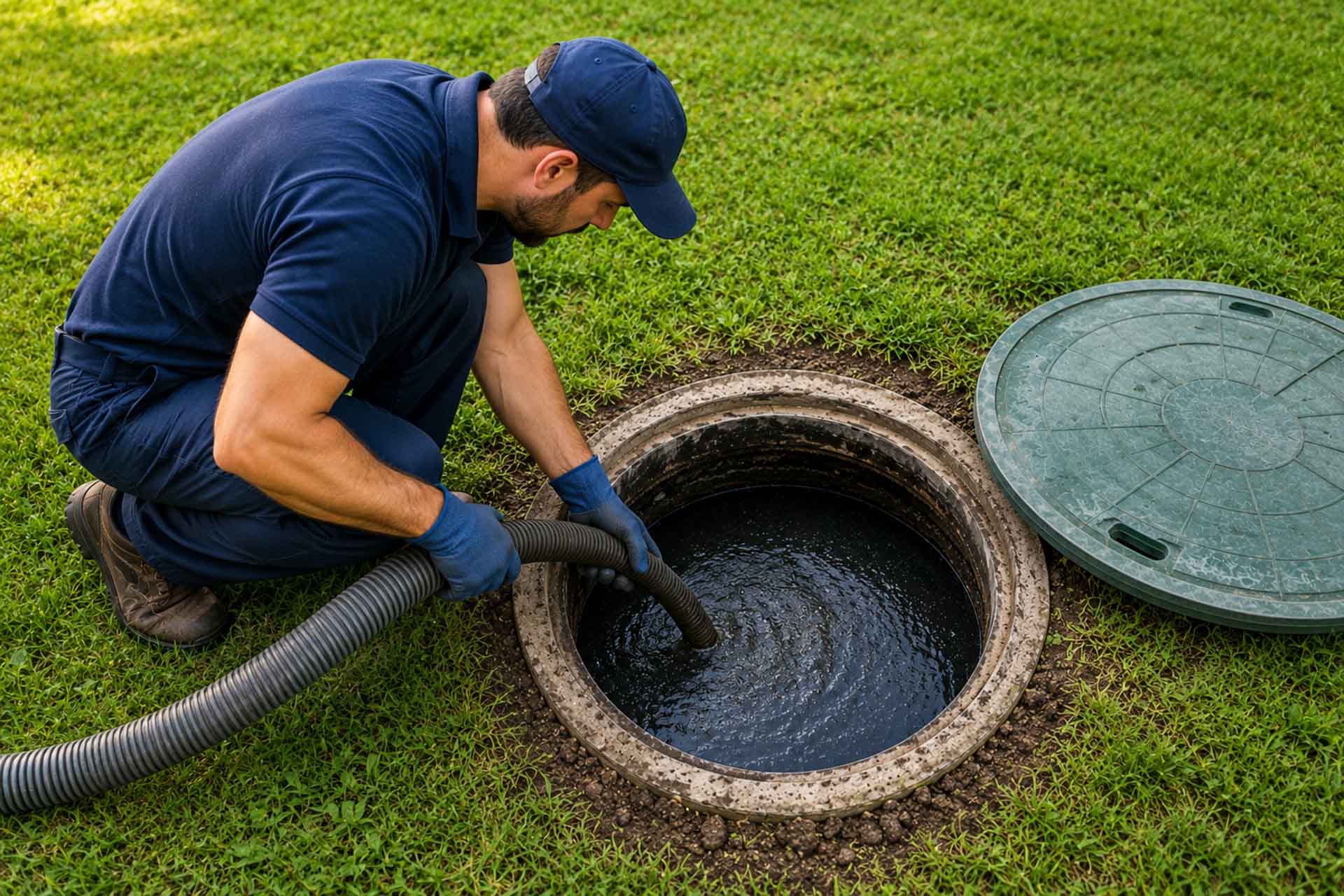
It can be quite annoying for any homeowner when you've just paid for a professional septic pumping service, peeked inside the tank access riser, and noticed the liquid level is already near the top. Your immediate reaction might be to worry that the job wasn't done properly. After all, shouldn't a recently pumped tank look empty?
The water filling up to the outlet pipe after a service visit may seem unnatural. But this phenomenon is both common and normal. Understanding how a healthy septic system processes wastewater can save you hours of stress and help you avoid unnecessary diagnostic costs.
In this guide, we will take a look at why your tank fills back up so quickly, the differences between true system failures and normal operational levels, and exactly what should be done to keep your home's wastewater management system running smoothly.
| Get Reliable Septic Solutions - Contact Us Now! |
What Is the Normal Liquid Level Inside a Functioning Septic Tank?
You first need to understand how a standard underground treatment tank is designed to hold and process wastewater to know why your system looks full. Most property owners assume the tank stays mostly empty until it slowly fills up over a period of years, but the engineering tells a different story.
A residential septic tank is designed to operate at a constant "normal liquid level," which is usually about 8 to 12 inches below the top of the tank. Liquid naturally fills the tank to the lower lip of the outlet pipe, which leads directly to your underground drain field. After the water reaches this level, every new gallon of wastewater entering from your house forces an equal gallon of treated effluent out to the drain field. As a result, a healthy tank can appear permanently full to an untrained eye within just a few days of being pumped.
The technician vacuums out the accumulated solid sludge from the bottom and the floating grease scum layer from the top during a professional septic tank cleaning service. However, the everyday water you use for showers, laundry, and flushing toilets will fill that empty volume back up to the operational baseline in less than a week. This rapid refilling is not a sign of failure, but exactly how the system separates solids from liquids.
Why Does a Septic Tank Fill Back Up So Quickly After Service?
Most homeowners discover that their tank is full within two to five days after a comprehensive pump out. They believe the pumping company is responsible for this or that a hidden leak is flooding the system. But that’s not always true.
A Quick Breakdown
Usually, a residential property generates approximately 200 to 400 gallons of wastewater each day. A standard 1,000- or 1,500-gallon septic tank can return to its normal operating level within just three to four days of regular household use. The liquid portion of the wastewater must remain in the tank long enough for beneficial anaerobic bacteria to break down organic matter.
- Heavy solids settle on the bottom of the tank and form a sludge layer.
- A protective scum barrier is formed due to the lighter oils and greases that float to the surface.
- Effluent is the clear liquid layer in the middle of the septic tank that exits through the outlet pipe and flows into the drain field.
The Solution
You need to understand that finding water inside your tank is perfectly normal, as long as it is not rising above the outlet pipe. Your system is doing its job well if the water level is resting perfectly even with the horizontal pipe that leads out toward your yard. You do not need to call for a re-pump; you simply need to allow the natural bacterial breakdown process to continue.
When Is a Full Septic Tank a Sign of a Failing Drain Field?
Sometimes, a tank actually is overfilled, resulting in wastewater backing up toward your house or pooling over your lawn. To know the difference between a normal operational water level and a catastrophic drain field failure can be quite difficult without proper guidance. But here's what usually happens -
- If the liquid in your tank has risen above the tops of the inlet or outlet pipes, or if it is pooling against the underside of the access lid, you may be facing a genuine plumbing emergency.
- When a drain field becomes structurally compromised, compacted, or completely saturated with solid waste over time, the surrounding soil loses its natural ability to absorb water.
As the treated effluent has nowhere to go, it starts to back up inside the distribution lines. The water backs up directly into the main tank body, pushing the fluid level far beyond its designated operational limit.
| [Normal Level] --> Water sits evenly at the lower edge of the outlet pipe. The system flows smoothly.
[Failing Level] --> Water rises completely over the pipes and fills the structural air gap. |
How Can You Fix the Problem?
If you suspect a failure, look for telltale environmental warning signs around your property that may indicate a failed drain field. Saturated, muddy patches of grass directly over your absorption trenches, a persistent sewage odor in your yard, or slow-draining household fixtures are all signs of a drain field problem. And scheduling another septic service visit to pump the tank is only a temporary band-aid.
You should have a licensed specialist inspect, clear, or potentially replace your soil absorption system to solve the main issue.
How Can High Groundwater Levels Infiltrate and Flood Your System?
At times of heavy seasonal rain or rapid mountain snowmelt, homeowners find their septic tanks filled with muddy surface water, despite their indoor water use being minimal.
Here is what actually happens. Septic systems rely on surrounding soil and groundwater conditions to operate properly. Heavy rainfall and poor drainage can saturate the soil around your system. This waterlogged soil creates hydrostatic pressure around your underground septic components and can interfere with normal system performance.
If your aging septic tank has unsealed seams, small structural stress cracks, or loose riser connections, then the high surrounding groundwater will eventually force its way into the tank. This structural infiltration artificially floods your system with hundreds of gallons of clean rainwater. This does not leave any room for the actual household wastewater to drain away safely.
How Can You Fix the Problem?
If you want to protect your property from groundwater flooding, make sure that the surface dirt above your tank is sloped outward to carry heavy rainwater away from the structural parts naturally. Likewise, you should have a professional inspect the integrity of your tank seams and riser lids. Sealing access lids, risers, and other entry points helps prevent rainwater runoff from overwhelming your septic system during wet weather.
What Common Household Habits Unintentionally Overwhelm a Septic System?
Most families unknowingly follow daily water-use habits that cause their septic systems to work more than they should, increasing the risk of overflows and premature system failure.
Septic tanks need time to separate solids from liquids. When too much water enters the system in a short period, it can cause a problem called hydraulic overloading. It can make it more difficult for the system to treat wastewater properly.
Running back-to-back laundry cycles, taking multiple long showers, and running the dishwasher all at once can cause a surge of water through your tank. This sudden rush can stir up settled sludge, reduce the effectiveness of the tank's separation process, and carry solids into the drain field, where they can clog the porous soil.
Adopting a few simple water conservation strategies will prolong the operational lifespan of your entire property infrastructure -
- Space out your heavy laundry loads throughout the week rather than doing them all on a single weekend day.
- Quickly repair any running toilets or dripping faucets, as a single leaking valve can quietly dump hundreds of gallons of extra fluid into your system daily.
- Install high-efficiency showerheads and low-flow faucet aerators to regulate your daily water output naturally.
| Keep Your Septic System Healthy - Call (916) 726-5150 Now! |
Frequently Asked Questions
Takeaway
Knowing how your septic tank works is the best way to stop an expensive disaster before it starts. If your yard smells like raw sewage, your sinks are draining painfully slowly, or your lawn is turning into a swamp, do not just ignore it and hope it goes away. Get a trusted local septic professional to identify the cause of the problem and determine whether septic pumping or another service is needed.
Read More About:
- Summer Septic System Maintenance Tips Every Homeowner Needs
- Septic Pumping or Cleaning: Which Is Right for Your Tank?
- Septic System Lifespan: Factors That Affect How Long It Lasts
- Is DIY Septic Pumping Safe or Should You Hire a Pro?
Protect Your Home's Septic System With Advanced Septic Service LLC
At Advanced Septic Service LLC, we have over two decades of experience in septic pumping in Placerville. As an A+-rated BBB-accredited company, we have the knowledge and expertise to perform effective septic tank cleaning in Placerville.
Our prices are affordable, and we always ensure you're 100% satisfied with our work. Our experienced professionals use specialized camera diagnostics to verify exactly what is happening within your underground lines and provide reliable septic service in Placerville.
If you're unsure about the condition of your septic system, we're here to help. Contact Advanced Septic Service LLC at (916) 726-5150 to schedule an on-site inspection and get honest recommendations for keeping your system working properly.