
Say Goodbye to Stubborn Clogs with Professional Hydro Jetting
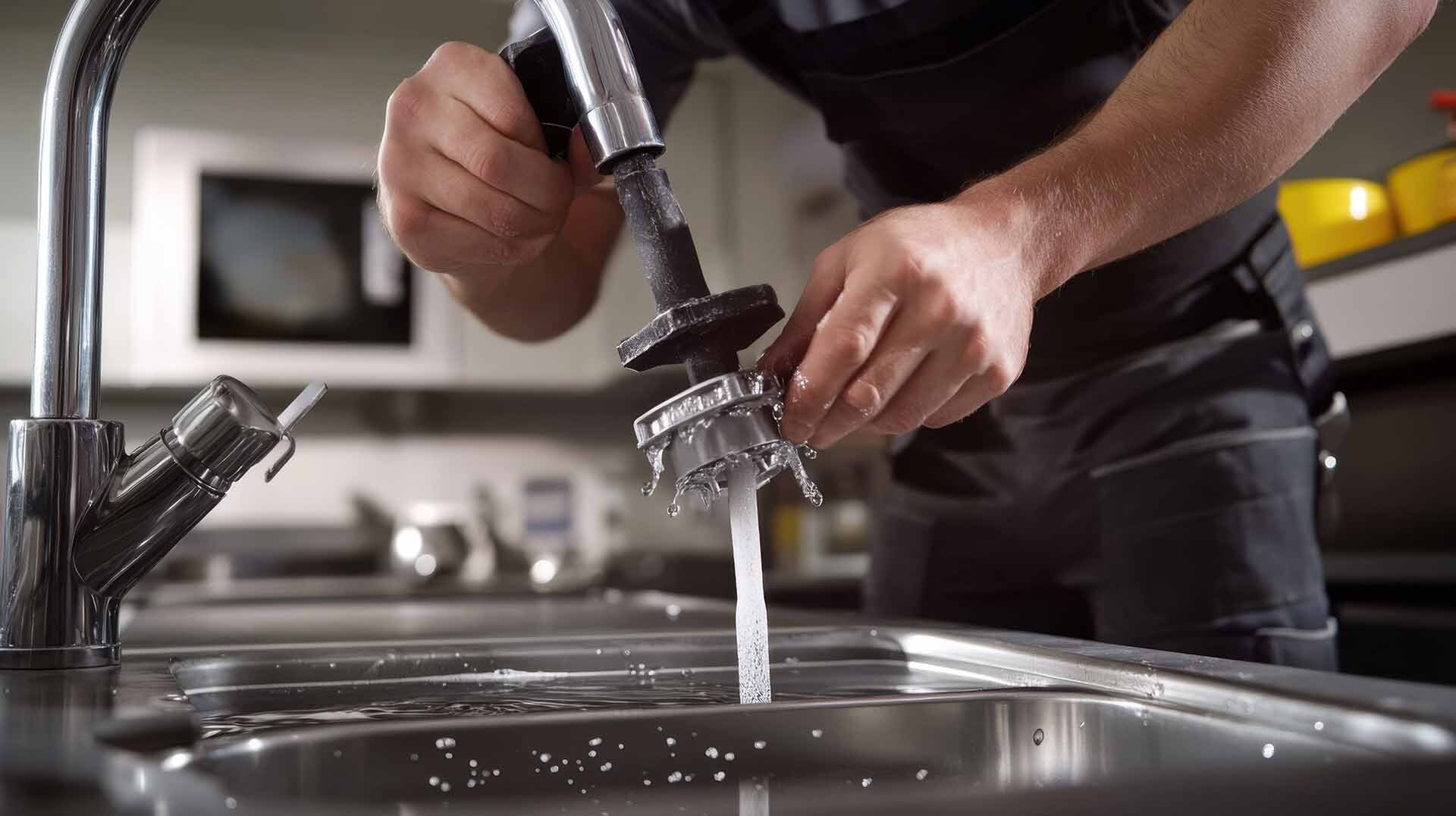
Your drains handle a lot every day, from soapy water and food particles to grease and other waste. Over time, some of this material can stick to the inside of your pipes and cause blockages.
At first, you might notice that your sink takes longer to drain or your toilet needs plunging more often. You may be able to clear the blockage temporarily, but if the same problem keeps coming back, there could be a bigger issue inside your pipes.
That's where hydro jet drain cleaning comes in. It uses high-pressure water to break apart stubborn clogs and wash away buildup from pipe walls. So, how does it work, and when should you consider it? You’ll find the answers in this blog.
| Get Your Drains Flowing Again - Schedule Hydro Jetting Now! |
What Is Hydro-Jetting?
Hydro-jetting is a drain cleaning method that uses high-pressure water to clear stubborn clogs and remove buildup from the inside of pipes. Depending on the equipment and application, the water pressure can reach 4,000 PSI or more.
Unlike traditional drain snaking, which usually creates an opening through a blockage, hydro-jetting can clean a much larger portion of the pipe's interior.
Here’s how it works -
- A professional checks the pipe's condition to make sure it can handle high-pressure cleaning.
- If the pipes are in good condition, the technician selects the appropriate nozzle and water pressure based on the pipe material and type of blockage.
- The technician inserts a special hose with a multi-directional nozzle into the drain or sewer cleanout.
- The nozzle sprays pressurized water to break apart grease, sludge, soap scum, and other debris.
- The water also helps flush the loosened material out of the line.
- After the cleaning is complete, the technician checks whether water is flowing freely through the pipe and whether any blockages remain.
Hydro-jetting can also remove some tree roots and mineral deposits, but a technician will need to check your pipes first to make sure they can handle the water pressure.
Why Is Hydro-Jetting an Effective Way to Clear Stubborn Clogs?
Here are some of the main benefits of using hydro-jetting to clear stubborn clogs -
1. Removes Stubborn Buildup From Pipe Walls
A drain snake can break through many blockages, but it may leave grease and sludge stuck to the pipe walls. Over time, that remaining buildup can collect more debris and cause another clog.
Hydro-jetting uses pressurized water to loosen and wash away buildup from the inside of the pipe. This helps restore water flow and reduces the amount of debris left behind.
2. Doesn't Require Harsh Chemical Cleaners
Chemical drain cleaners can be harsh on certain plumbing materials, and some products may disrupt the beneficial bacteria in septic tanks, interfere with waste breakdown, or damage certain pipes and seals. But hydro-jetting uses water instead of chemical cleaners to remove blockages, making it a safer option for your plumbing and septic system.
However, the pressure must be adjusted to suit the pipe material and condition. If your pipes are cracked or severely corroded, a technician may recommend another cleaning or repair method.
3. Helps Reduce Recurring Clogs
Does your sink drain normally for a few days after cleaning, only to slow down again? This can happen when grease, soap residue, or sludge remains inside the pipe.
Hydro-jetting can remove more of that buildup, making it less likely that another clog will form in the same spot.
4. Clears Tough Sewer Line Blockages
Grease, food waste, sludge, and tree roots can create serious blockages in sewer lines.
Professional hydro jetting sewer line cleaning can break apart many of these obstructions and flush the debris out of the pipe. It can be particularly helpful when ordinary snaking hasn't fully cleared the blockage.
However, if tree roots keep entering through cracked pipe joints, hydro-jetting alone won't fix the damaged pipe. A plumber may need to repair or replace the affected section of the sewer pipe to stop them from growing back.
5. Usually Doesn't Require Digging
Nobody wants their yard or driveway torn up just to clear a clogged drain. Fortunately, technicians can often perform hydro-jetting through an existing sewer cleanout or another suitable access point. This means they usually don't need to excavate your yard or open up walls.
But if the pipe has collapsed or needs replacement, you may still need excavation or another repair method.
| Get Professional Hydro Jetting in Your Area - Call (916) 726-5150 |
Hydro-Jetting vs. Traditional Drain Cleaning - What's the Difference?
Both hydro-jetting and traditional drain snaking can clear clogged pipes, but they don't work the same way. Here's a quick comparison between the two -
| Feature | Hydro-Jetting | Drain Snaking |
|---|---|---|
| Cleaning method | High-pressure water | Rotating cable or auger |
| Best for | Heavy grease, sludge, and recurring buildup | Many localized clogs |
| Pipe wall cleaning | Removes buildup across much of the pipe interior | Primarily breaks through obstructions |
| Chemical use | No chemical cleaners required | No chemical cleaners required |
| Pipe condition | Requires an assessment before high-pressure cleaning | Also requires care with damaged pipes |
| Recurring clogs | Can help reduce clogs caused by remaining buildup | May leave some buildup behind |
When Should You Consider Hydro-Jetting for Your Drains?
Not every slow drain needs hydro-jetting. Sometimes, removing hair from a drain stopper or clearing a small clog with a plunger is enough. But certain warning signs suggest the blockage may be deeper inside your plumbing system.
You should consider professional drain cleaning if you notice any of the following -
- Frequent clogs: The same sink, shower, or toilet keeps getting blocked.
- Multiple slow drains: Several fixtures drain slowly at the same time.
- Recurring sewage backups: Dirty water keeps coming back up through your toilet, bathtub, or floor drain.
- Unpleasant drain odors: You notice a foul smell coming from your drains, even after cleaning them.
- Unsuccessful drain cleaning: You've tried plunging or snaking the drain, but the clog keeps coming back.
- Gurgling sounds: You hear bubbling or gurgling from your drains when water flows through the plumbing.
If you're noticing one or more of these signs, have a technician check your drains to find out what's causing the problem before it gets worse.
Questions You May Have About Hydro-Jetting
1. Is Hydro-Jetting Safe for Old Pipes?
Hydro-jetting could be safe for older pipes, but it depends on their condition. If there are cracks, corrosion, or weak joints, the water pressure could make things worse. So, you should always have a technician check your pipes first to see if hydro-jetting is safe for them.
2. How Long Does Hydro-Jetting Take?
Hydro-jetting usually takes one to a few hours, depending on the blockage, pipe length, and access conditions. Severe clogs or pipes that need additional inspection can take longer. That's why a technician will need to assess the problem before telling you how long the cleaning might take.
3. Can Hydro-Jetting Remove Tree Roots From Sewer Lines?
Yes, hydro-jetting can remove some tree roots growing inside sewer lines when the technician uses the right equipment. But removing the roots doesn't always solve the problem. If they've entered through cracks or damaged pipe joints, they can grow back.
That's why a technician might recommend a camera inspection to find where the roots are entering the pipe and check if any cracked sections or damaged joints need to be repaired or replaced.
4. Is Hydro-Jetting Safe for Homes With Septic Systems?
Hydro-jetting can be used on certain drain and sewer lines connected to septic systems, provided the pipes are in suitable condition. However, it won't fix an overflowing septic tank, failed drain field, or other septic system problems. So, a professional should identify the cause of the backup before cleaning the line.
5. How Often Should You Schedule Hydro-Jetting?
For most homes, hydro-jetting isn't needed on a fixed schedule. You may only need it when stubborn or recurring clogs develop. However, commercial kitchens and other high-use facilities may benefit from hydro-jetting every 6 to 12 months, depending on grease buildup and drain usage. Since every property has different drainage needs, a technician can inspect your pipes and help you decide how often cleaning is necessary.
Takeaway
Dealing with the same clogged drain again and again can be frustrating. If you've tried regular drain cleaning but the clog keeps coming back, hydro-jetting might be a better option.
It can wash away grease, sludge, and other buildup that's stuck inside your pipes. However, high-pressure water isn't suitable for every pipe, so it's important to hire an experienced professional who can check your plumbing and adjust the pressure to clear the blockage safely.
Read More About:
- Hydro Jetting a Sewer Line: Process, Benefits, and Cost You Should Know
- Hydro Jetting Explained: Myths, Facts & Benefits
- Hot Water Hydro Jetting for Grease-Clogged Kitchen Lines
- Can I Do Hydro Jetting Myself? Read Before You Try
Advanced Septic Service, LLC - We Help Clear Stubborn Clogs With Hydro Jetting in Sacramento
We’re here to help you get rid of stubborn clogs that keep coming back no matter what you do!
At Advanced Septic Service, LLC, we've been helping customers with clogged drains and sewer problems since 2005. With 20+ years of experience, we provide professional hydro jetting Sacramento, drain cleaning, septic services, grease trap cleaning, and video inspections. We know how stressful repeated clogs can be, and we're here to help you get things back to normal.
We'll explain what's causing the problem and discuss your options before starting any work.
So, don't wait for a stubborn clog to turn into a messy sewage backup. Contact us at (916) 726-5150.