
Buying a Home With a Septic Tank: Pros, Cons, and What to Expect
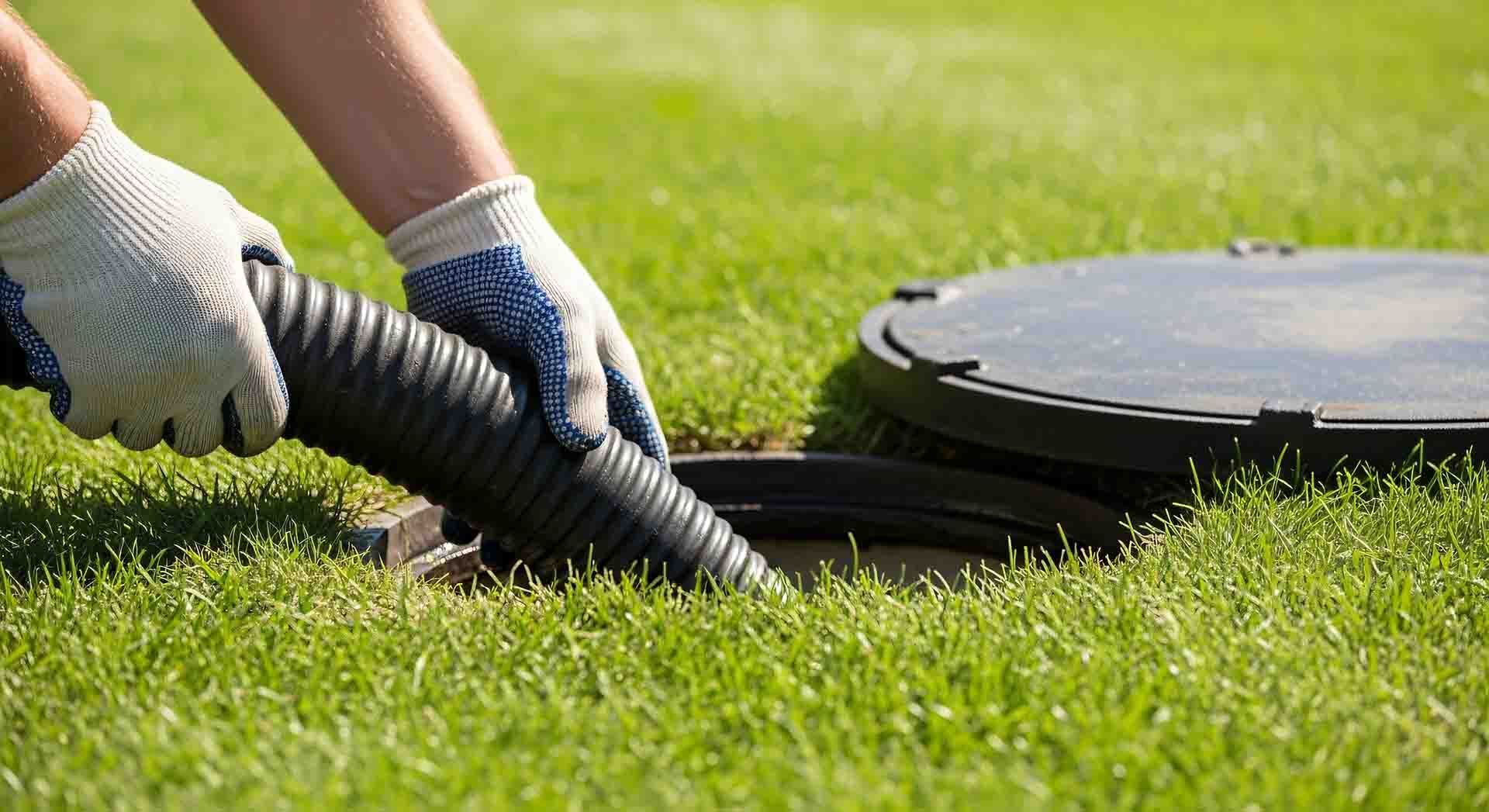
Buying a new home is one of the most exciting and often terrifying financial decisions you’ll ever make. You discuss and inspect the roof, the foundation, the electrical system, and the furnace. Between location, price, inspections, and paperwork, there’s already a lot to think about.
But what about the septic tank?
Have you ever stopped to check whether the house you’re buying has a septic system? And if it does, have you looked into its condition?
If you’re considering properties in rural or semi-rural areas, chances are high you’ll come across a home with a septic system instead of a city sewer connection.
Buying a house with a septic tank can be a very good idea if you know exactly what you’re buying, how the system works, how to maintain it, and who to call for septic pumping services.
| Keep Your Septic System Trouble-Free - Contact Us Now! |
What Is a Septic System?
A septic system is an on-site wastewater treatment system. Instead of sending waste to a municipal sewer line, everything from your toilets, sinks, and showers flows into a septic tank. The solid wastes settle inside, and liquids move into a drain field for natural filtration.
A septic system works well when maintained correctly, but troubles start when buyers aren’t aware of the care it requires.
Why Do Homes Have Septic Tanks?
Homes generally have septic systems because -
- The property is outside city sewer coverage.
- It’s in a rural or hillside area.
- Connecting to a sewer line would be extremely expensive.
In areas where septic systems are common, when cared for correctly, they work efficiently for decades.
The Pros and Cons of Buying a Home With a Septic Tank
Before you move forward, it’s important to understand the true benefits, costs, and maintenance responsibilities of a home that relies on a septic system.
Pros
- Lower Monthly Utility Costs - You don’t need to pay sewer bills. That alone is a big plus. Septic systems don’t come with monthly usage fees, which can save homeowners money over time.
- Environmentally Friendly - A well-maintained septic system treats wastewater naturally and returns clean water to the soil. That’s a win for the environment when done right.
- Fewer City Regulations - No surprise sewer assessments. No sudden rate hikes. You control when and how your system is serviced.
- Long Lifespan With Proper Care - With routine septic tank cleaning and septic system maintenance, systems can last 25-40 years or more.
Cons
- Requires Regular Maintenance - Regular septic tank cleaning is important. Skipping maintenance is the fastest way to expensive repairs.
- Repairs Can Be Costly If Ignored - Minor septic issues are usually easy and affordable to fix. But when problems are ignored, they can turn into major system failures that are expensive to repair. That’s why a proper inspection before you buy is so important.
- Usage Habits Matter - Your daily habits play a big role in how well a septic system works. Flushing the non-biodegradable items, pouring grease down the drain, or using too much water at once can slowly damage the system.
- Total Financial Responsibility - The biggest challenge with a septic system is the cost. If a city sewer breaks, the city handles it. If your septic system fails, you have to cover the entire repair. A full replacement can run from $10,000 to $60,000, depending on your property and the type of system.
Pre-Purchase Checklist for Homes With Septic Systems
1. Never Skip a Septic Tank Inspection
It’s best to work with a septic professional who focuses on wastewater systems. Someone experienced in septic pumping will know the local soil conditions, permits, and typical system problems.
A professional septic tank inspection provides you with valuable insights about the septic system.
- The tank’s condition and capacity
- Signs of leaks, cracks, or backups
- Whether the system meets current local regulations
- If septic pumping is overdue
- The drainfield performance
This helps you analyze whether the septic system is safe and ready for long-term use.
2. Ask for Septic Records Before You Buy
The age and size of the system are the most important factors that affect its future life.
| What to Ask For | Why Is It Important |
| Original Permits/Design Records | These documents confirm that the system was legally installed and approved by the local Health Department. |
| System Capacity | The design capacity is measured in bedrooms, not current residents. A system designed for a 2-bedroom cabin will fail quickly if it's servicing a 5-bedroom home with an accessory dwelling unit. |
| Pumping/Maintenance History | A seller with consistent Septic tank cleaning records is a trustworthy seller. Lack of records is a major red flag. |
| Repair Area Location | If the primary drain field fails, the county requires a designated repair area. Make sure you know where it is and confirm it hasn’t been built over, paved, or used to store heavy items. |
3. Assess Age and Lifespan
Septic systems aren’t built to last forever, so knowing their age and expected lifespan is important.
- Concrete Tanks - With proper maintenance, these can last 40 to 100 years.
- Drain Fields / Leach Fields - The underground pipes and soil that filter wastewater are usually the first to wear out, typically lasting 25 to 30 years.
- Pumps / Advanced Components - If the system is an alternative or mound type with pumps, plan to replace the pump every 10 to 20 years.
When a septic system is nearing 25 years old and doesn’t have solid records, it’s smart to budget for a possible replacement or use that risk to negotiate the price before finalizing the purchase.
How to Take Care of a Septic Tank?
Once you have purchased a home with a septic system, it’s important to take care of its regular maintenance and cleaning.
- Never flush non-biodegradable. This includes wipes, feminine products, paper towels, dental floss, or cigarette butts. You can only flush human waste and septic-safe toilet paper.
- Avoid driving, parking heavy vehicles, or building anything over the drain field. Compacted soil can’t properly absorb or filter water. Also, keep deep-rooted trees like willows or oaks away, as their roots can clog septic pipes.
- Doing too much laundry in one day can overwhelm the drain field and cause problems. Spread water use out over the week, and fix leaky faucets or toilets right away to avoid overloading the system.
- Never pour grease, oil, paint, pesticides, or large amounts of harsh cleaners (like bleach) down the drain. These substances kill the beneficial bacteria inside the tank that are required for breaking down solids.
| Septic Inspection You Can Trust. - Book now! |
Frequently Asked Questions for Septic Homeowners
1. How do I know if my septic tank is failing?
A failing septic tank shows some common warning signs.
- Slow drains or gurgling sounds coming from sinks, tubs, or toilets.
- Unpleasant or strange smell near the septic tank or drain field.
- Unusually green grass or soggy patches over the drain field can mean wastewater is rising to the surface.
- Sewage is backing up into drains or toilets. This is an emergency and needs immediate attention.
If you notice one or more of these signs, it’s best to contact a septic professional as soon as possible to prevent further damage.
2. Can I use a garbage disposal with a septic tank?
Yes, but only use it occasionally. Garbage disposals add a large amount of solid waste to your septic tank, which causes sludge to build up much faster. If you regularly use a disposal, you’ll need more frequent septic pumping, often every 2 years instead of 4.
To protect your system, it’s best to transfer food scraps into the trash every time you rinse the dishes.
3. How much does routine septic maintenance cost?
Routine septic care is much cheaper than replacing the system. A professional septic inspection can cost around $150 to $450, and septic pumping generally costs between $300 and $700, which is required every 3-5 years. Still, this preventative spending is much less than the $10,000+ cost of repairs or replacements when the system fails.
4. Is a house with a septic tank harder to buy or sell later?
Not really. Some buyers may hesitate, but many people like having no sewer bills. What matters most is how well the septic system has been maintained.
A home with clear maintenance records and a recent septic tank inspection is much easier to buy and sell later than one with an unknown or poorly maintained system.
Takeaway
Buying a house with a septic tank isn’t something to fear; it’s something to understand.
With the right inspection, consistent septic system maintenance, and a trusted local provider, septic living can be reliable, affordable, and stress-free.
Ask the right questions before buying and maintain the system once you move in. With proper care, a septic system is simple to manage.
Read More About
- What Causes a Septic Tank to Back Up & How to Prevent Them
- How Much Does Septic Tank Pumping Cost in Sacramento?
- Septic Tank Overflows: How Timely Pumping Can Prevent Disaster?
- How Often Should a Septic Tank Be Pumped?
Protect Your Investment With Professional Septic Care by Advanced Septic Service, LLC
Worried about septic system maintenance in Placerville? At Advanced Septic Service, LLC, we have over 25 years of experience helping homeowners keep their septic systems healthy, reliable, and problem-free.
We offer septic tank inspection, cleaning, and septic pumping services in Placerville and nearby areas with flexible scheduling to fit your household’s needs. We also provide 24/7 emergency support because we know septic issues don't follow a 9-to-5 schedule.
Whether you’re buying, selling, or maintaining a home with a septic system, our team is here to guide you every step of the way. Call us today at (916) 269-3411 or (530) 450-2090 to speak with a local septic expert you can trust!