
Tree Root Damage to Septic Systems: Early Signs and Prevention
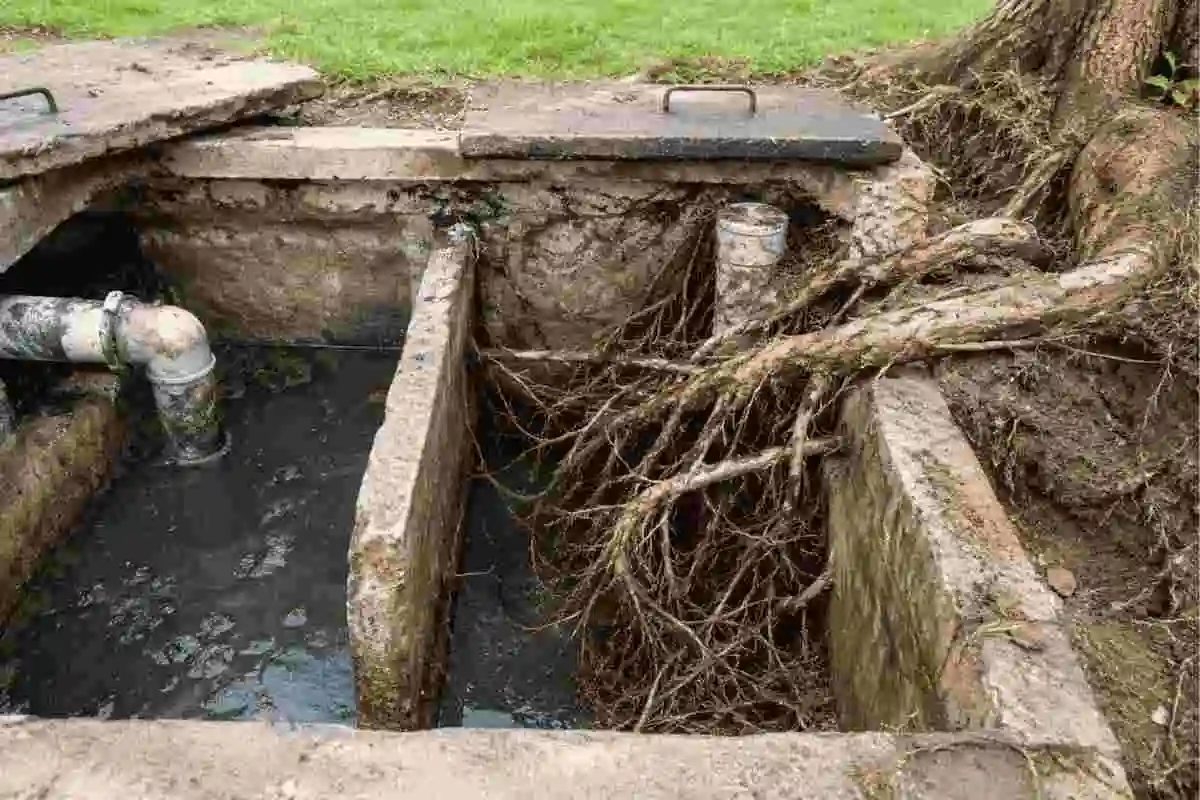
A tree may look perfectly healthy above the ground, but its roots could be causing problems underneath. As roots spread, they can find small cracks or damaged connections in your septic lines and start growing inside.
Over time, this can slow down wastewater flow. You may not realize something is wrong until you start dealing with slow drains, backups, or soggy areas in the yard. So, how can you tell if tree roots are affecting your septic system before it is too late?
Well, this guide covers the warning signs to watch for, ways to reduce the risk of root intrusion, and when septic pumping may be needed.
| Stop Root Damage Before It Spreads - Contact Us Now! |
Can Tree Roots Damage a Septic System?
Yes. Tree roots tend to enter the septic system through cracks, damaged connections, and other openings in underground wastewater pipes. Once inside, they can grow and restrict wastewater flow, resulting in blockages and interfering with the normal functioning of the system. As the problem develops, moisture escaping from the damaged pipe can attract more root growth.
While trees growing near your home are not necessarily a problem, they can become a matter of concern when you also notice slow drains, sewage odors, or wet areas around the septic system.
Why Do Tree Roots Grow Toward Septic Systems?
As tree roots need moisture, underground wastewater pipes with cracks, loose joints, or damaged connections can provide ideal conditions for them to grow.
The process occurs gradually:
- A pipe develops a small crack or gap.
- Moisture escapes into the surrounding soil.
- Roots start to grow toward that moisture.
- The roots enter the damaged section.
- The roots grow and restrict the space available for wastewater to flow.
- Solids collect around the affected area, making the restriction worse.
Older septic systems may be more vulnerable because of aging pipes and connections, but the same problem can also occur in newer systems with damaged components.
Which Parts of a Septic System Are Most Vulnerable?
Here are the septic tank components that are most vulnerable to tree roots:
1. Inlet and Outlet Pipes
A damaged joint or connection can provide an entry point for roots, which may gradually restrict wastewater flow. When this happens in either the inlet or outlet pipes, it can result in slow drainage or backups because wastewater cannot move through the system normally.
2. Drain Field Lines
The drain field lines distribute treated wastewater into the surrounding soil. When roots block these lines, wastewater may no longer move through them properly. As a result, you may notice unusually green or fast-growing grass, wet areas, or unpleasant odors around the drain field.
3. Tank Connections and Access Areas
Damaged or deteriorated seals and openings around the tank and its components can create entry points for roots and other vegetation.
4. Distribution Components
Distribution boxes and similar components help direct wastewater to different parts of the drain field. If the connections around these components become damaged, roots may find an opening and grow into the system, interfering with normal wastewater flow.
What Are the Warning Signs of Tree Root Damage?
Here are some of the top warning signs of damage due to tree root intrusion:
1. Slow Drains
When multiple tubs, sinks, and toilets start to drain slowly, it may indicate a problem with the wastewater system.
2. Gurgling Toilets or Drains
Repeated gurgling can be a sign that wastewater and air are not moving freely through the plumbing lines. The issue may be more serious if this is accompanied by slow drainage or backups.
3. Recurring Backups
Wastewater returning through toilets, showers, or sinks can indicate a serious underlying problem with your plumbing system.
Sacramento County identifies wastewater backing up into plumbing fixtures or failing to flow properly as a potential sign of an on-site wastewater system malfunction.
4. Wet or Soggy Ground
An unexpected wet or soggy area around the septic system, especially during dry weather, may indicate that wastewater is not draining properly.
5. Unusually Green Grass
When one section of grass grows faster or appears greener than the surrounding lawn, it may be receiving extra nutrients and moisture. It is not necessarily a sign of root intrusion, so the cause needs to be investigated.
6. Sewage Odors
Persistent sewage smells in the yard can indicate a wastewater problem. An odor accompanied by wet ground or drainage issues needs to be checked as soon as possible.
7. Problems That Keep Returning
If your septic system or plumbing has an issue that keeps returning, it should be inspected to determine the underlying cause.
How Can You Prevent Tree Roots From Damaging Your Septic System?
Here are some tips on how to prevent tree roots from damaging your septic system.
1. Locate Your Septic Components
Sacramento County advises checking available septic records when trying to locate your septic system. You can also ask a qualified septic professional to help you locate it. Knowing where the tank, drain field, and other components are can help you plan where to plant trees and keep growing roots away from vulnerable areas.
2. Plan for Mature Growth
Be sure to consider how large a tree and its root system might grow over the years before you plant it.
3. Avoid Large Trees Over Septic Areas
The best approach is to avoid planting large trees near septic tanks, access points, and drain fields.
4. Consider Installing Root Barriers
Discuss the use of a root barrier with your contractor when a septic system is being installed. Root barriers can help direct growing roots away from your septic lines and other vulnerable parts, reducing the risk of future intrusion.
5. Maintain the Septic System
Septic tanks generally need to be pumped every 3 to 5 years, depending on usage and other factors.
Can You Repair Root Damage Without Replacing the Entire Septic System?
Yes, depending on the extent of the damage, repairs may be possible without replacing the entire system. Repair options may include:
- Removing roots from an affected line
- Repairing a damaged wastewater pipe
- Replacing a worn-out line
- Repairing only the damaged section of a pipe
- Evaluating the drain field
- Correcting landscaping that contributes to recurring root intrusion
- Professionally inspecting the tank connections
Pumping and removing roots from lines do not require a permit, while certain construction, installation, and repair activities may require one.
How Does Professional Septic Service Help With Root Problems?
Professional septic services are more than just emptying the tank. They can include locating system components, pumping the tank, checking wastewater flow, cleaning blocked lines, and carrying out further inspections as required.
When you are dealing with recurring problems such as slow drainage, backups, wet areas, or root intrusion, professionals can identify the underlying cause rather than relying on guesswork.
This makes it easier to determine whether the solution requires line cleaning, pumping, repairs, or another type of septic service.
| Get Expert Septic Help Today - Get a Free Quote! |
Common Queries From Our Clients
Takeaway
Tree root intrusion is one of the most common problems that can severely damage vulnerable connections or pipes. However, simply having trees near your septic system does not mean their roots are causing damage.
Instead, pay attention to warning signs such as backups, sewage odors, wet ground, and unusual greenery near septic system components. The best approach is to know the location of your septic system, plan your landscaping with mature tree growth in mind, maintain the tank regularly, and address recurring issues early. It is recommended to work with a professional who has experience with septic systems and tree root intrusion to better address the problem.
Read More About:
- Above-Ground vs Underground Septic Tanks: Pros, Cons & Key Differences
- Septic Tank Pumping: How Often Should You Schedule Service?
- Septic System Maintenance Mistakes
- The Environmental Benefits of Regular Septic Tank Pumping
Get Experienced Septic Help in Sacramento From Advanced Septic Service, LLC
Tree roots don't stop growing just because they're out of sight. If you're dealing with recurring backups, slow drains, sewage odors, or unusually wet areas around your septic system, Advanced Septic Service, LLC can help you determine what's causing the problem and what needs to be done next.
With over 25 years of experience serving Sacramento and neighboring areas, our team can assist with septic pumping Sacramento.
Whether you need routine pumping or help with a recurring wastewater problem, you can turn to an experienced local team. Call (916) 726-5150 to schedule your septic service in Sacramento.