
Septic Tank Bacteria: How They Prevent Odors, Clogs & Overflows
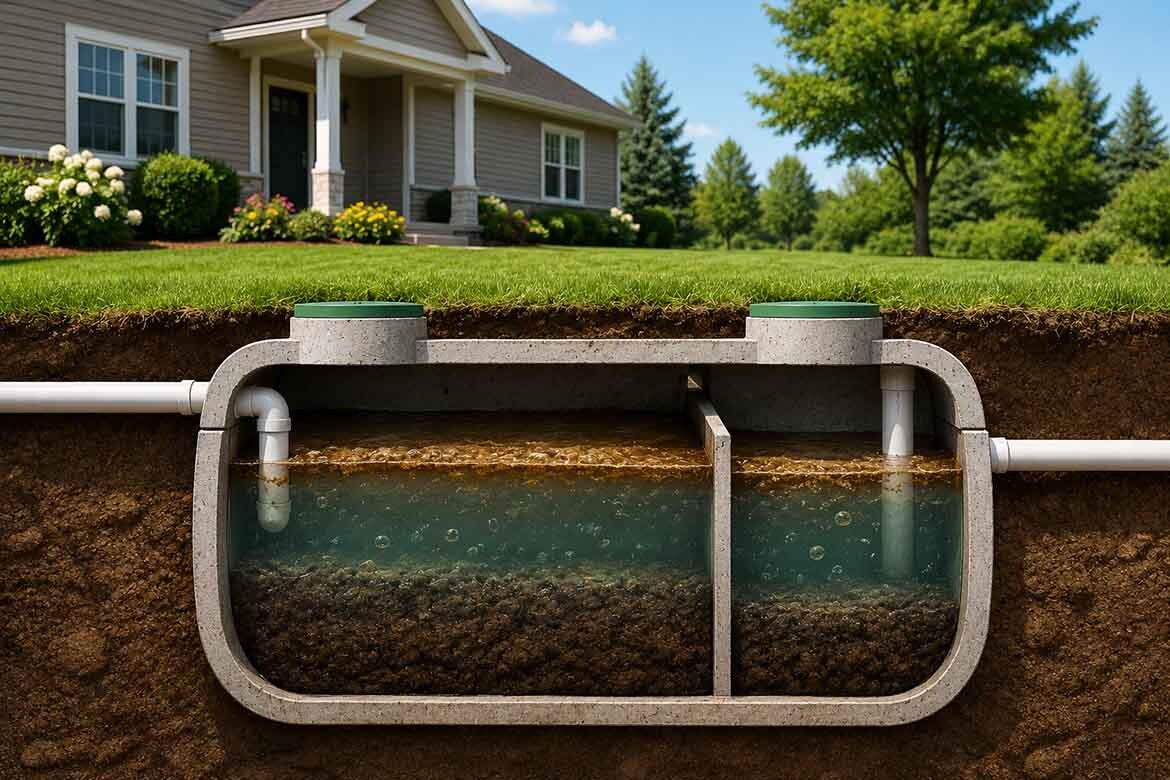
Your septic tank is more than just a concrete container. It has its own living ecosystem inside. And the system relies heavily on living organisms, with billions of microscopic bacteria working around the clock to break down organic waste and help the system perform as it should.
That's why it is important to avoid practices that can interfere with the natural biological processes inside the septic tank.
So, how do septic tank bacteria help prevent unpleasant smells, clogs, and overflows? And more importantly, what can you do to keep them healthy? Let's take a closer look.
| Get Professional Septic Tank Pumping - Call (916) 726-5150 |
The Essential Role of Bacteria in Your Septic Tank System
Some bacteria can be surprisingly helpful, especially the billions of beneficial bacteria working inside your septic tank. Your septic tank is a living ecosystem that receives wastewater and organic waste from your home, kitchen, and bathrooms. But what happens to the waste that collects here?
Well, this is where nature comes into play. Your septic tank is home to billions of beneficial bacteria that work tirelessly to break down organic matter into simpler substances and byproducts. This process is known as decomposition and is an important part of how a septic system works.
Naturally occurring microorganisms help break down organic matter as part of the treatment process inside your septic tank. However, solids and scum still accumulate over time and need to be removed through regular pumping. So, if you notice a persistent odor, it’s best to have your septic system professionally inspected to identify the cause.
Anaerobic vs. Aerobic Bacteria - What’s the Difference?
Two main types of bacteria can function within septic systems: aerobic and anaerobic bacteria. Here are the main differences between the two:
| Feature | Anaerobic Bacteria | Aerobic Bacteria |
|---|---|---|
| Primary Location | Inside the main septic tank | Downstream in the drain field (leach field) |
| Oxygen Requirements | Thrive without oxygen (airtight environment) | Require oxygen to survive and process effluent |
| Primary Function | Breaks down heavy solid waste and sludge | Treats liquid wastewater before it re-enters soil |
| Byproducts | Produces gases like methane and carbon dioxide | Converts nutrients like ammonia into safer nitrates |
| System Impact | Prevents rapid solid accumulation in the tank | Provides final purification to protect groundwater |
Top Benefits of Healthy Bacteria for Septic Tank Performance
Here are some of the top benefits of having healthy bacteria in your tank:
1. Odor Control
Beneficial bacteria help decompose organic waste and support the biological processes occurring inside the septic tank. However, some gases, including hydrogen sulfide, can naturally be produced during anaerobic decomposition. So, a foul smell around your home or yard should not automatically be blamed on unhealthy bacteria, as it may indicate a venting problem, leak, backup, or another septic issue.
2. Waste Breakdown
Bacteria work to break down some of the organic solids and waste inside your septic tank. This decomposition helps reduce the accumulation of organic material and allows the septic system to perform its normal treatment process.
3. Reduced Solid Accumulation
Once some of the organic solids are broken down, less solid material may accumulate as sludge in the tank. However, sludge and scum still build up over time, so routine septic pumping remains necessary.
4. Support for a Healthy Septic System
A balanced bacterial population supports the natural treatment process inside your septic tank. Together with proper pumping, responsible water use, and regular inspections, this can help protect the system and reduce the risk of premature problems.
5. Environmental Protection
Bacteria begin the wastewater treatment process by breaking down organic matter inside the septic tank. The effluent then moves to the drain field, where soil and microorganisms provide additional treatment by filtering contaminants and reducing pathogens before the wastewater moves deeper into the soil. A properly functioning septic system, therefore, helps protect groundwater and the surrounding environment.
What Can Disrupt the Natural Bacteria in Your Septic Tank?
Here are the most common culprits that can disrupt the bacterial balance or interfere with your septic system over time:
1. Harsh Chemical Cleaners
Chemicals such as drain cleaners, bleach, and disinfectants are meant to kill germs, but excessive amounts can also harm the beneficial bacteria in your septic tank.
2. Antibacterial Soaps and Detergents
Some antibacterial products contain ingredients designed to control or kill microorganisms. When used excessively, they may interfere with the bacterial activity inside your septic tank.
3. Medications
Some medications and antibiotics can affect bacterial activity if they enter the septic system. Medications should never be intentionally flushed down the toilet or drain. You should always follow local medication-disposal guidelines instead.
4. Too Much Water
Excessive water use can overload the septic system and reduce the amount of time wastewater remains in the tank for proper settling and treatment. You can avoid this by spreading out laundry loads and repairing any leaky faucets or toilets.
5. Nonbiodegradable Waste
Items such as wipes, diapers, and feminine hygiene products should never be flushed, as they do not break down easily inside a septic tank. Over time, they accumulate in the system and lead to serious clogs.
6. Fats, Oils, and Grease
Fats, oils, and grease (FOG) can severely damage your septic system. When poured down the drain, they build up inside pipes and thicken the tank's scum layer. Because grease doesn’t break down easily, excessive amounts make it difficult for beneficial bacteria to function properly.
Signs Your Septic System May Need Attention
Here are some possible signs that may indicate your septic tank needs your attention:
- Unusual foul odors: Changes in bacterial activity may affect decomposition, but persistent odors can also result from venting problems, leaks, or backups.
- Excessive solid buildup: If organic waste is not breaking down effectively, solids may accumulate more quickly than expected.
- Changes after heavy chemical use: Excessive bleach, disinfectants, drain cleaners, or other harsh chemicals may disrupt bacterial activity inside the tank.
- Problems following improper waste disposal: Fats, oils, grease, and non-biodegradable materials can interfere with normal septic processes and increase solid buildup.
- Recurring septic problems: Slow drains, backups, or gurgling toilets indicate that the system needs attention, although they do not necessarily mean bacteria are the cause.
If you notice these signs, schedule a professional septic inspection rather than assuming the tank needs bacterial additives. A septic professional can determine whether bacterial activity, a blockage, an overfull tank, or another issue is responsible.
How to Support the Natural Bacteria in Your Septic Tank
Here are some simple ways to support the natural biological processes in your septic tank:
- Limit chemical use. Reduce or completely stop using harsh chemicals that can interfere with bacterial activity. Switch to eco-friendly, septic-safe household cleaners that preserve your system's biological balance.
- Let the system work naturally. Normal household wastewater naturally introduces organic matter and microorganisms into the septic system. So, you won’t have to add bacterial products to a properly functioning tank.
- Keep oils, fats, and grease out. Avoid pouring fats, oils, grease, and other materials that do not break down easily into your drains.
- Schedule regular maintenance. Regular maintenance is a must, as it helps keep your septic system functioning properly.
| Need Reliable Septic Service? - Contact Us Now! |
Frequently Asked Questions
Final Thoughts
Healthy bacteria have an important role in breaking down organic waste and keeping your septic tank working properly. Protecting this natural balance means being careful about what goes down your drains, limiting harsh chemicals, and keeping up with regular septic maintenance. Septic pumping is also part of that care, as it removes accumulated sludge and helps keep the entire system functioning as it should.
Read More About:
- Septic Tank Alarm Going Off? Causes, Fixes & Expert Tips
- Septic Tank Full Again After Pumping? Causes and Solutions
- Summer Septic System Maintenance Tips Every Homeowner Needs
- Septic Pumping or Cleaning: Which Is Right for Your Tank?
Keep Your Septic System Healthy With Advanced Septic Service
A septic backup can disrupt your home, damage your property, and leave you wondering who you can trust to fix the problem properly. But you don’t have to spend time wondering who to call. With more than 25 years of industry experience and BBB A+ accreditation, Advanced Septic Service, LLC. has been a trusted choice for customers since 2005.
Our trained technicians provide septic pumping granite bay services homeowners can rely on, along with complete septic services in Granite bay, using natural and non-toxic products whenever applicable.
Don’t wait for a septic problem to turn into a costly mess. Call Advanced Septic Service, LLC today at (916) 726-5150.