
Septic System Lifespan: Factors That Affect How Long It Lasts
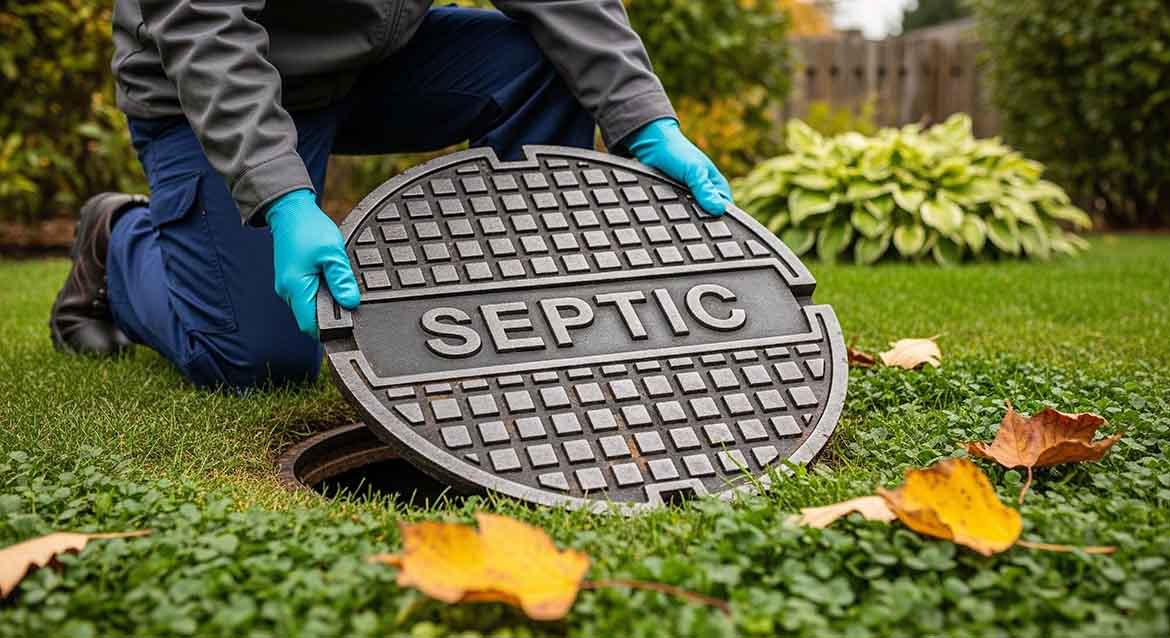
A septic system is one of the most important systems in your home, yet many homeowners only worry about the maintenance of a septic system when there is a problem.
If your home is not connected to a city sewer system, your septic tank handles all the wastewater from your toilets, sinks, and drains. Since installing a septic system is a significant investment, it’s important to take proper care of it so it lasts as long as possible.
In this blog, we will talk about how long a septic system typically lasts and what factors can affect its lifespan.
| Get Expert Septic Help Today – Contact Us Now! |
So, What’s the Average Life Span of a Septic Tank?
On average, a well-maintained septic system can last anywhere from 25 to 40 years. However, a septic system is a broad term. Your setup is actually made of two main parts, and they have different lifespans. Let's get into the details.
The Septic Tank
A septic tank can be made up of different materials, and each one has a different average lifespan.
- Concrete septic tank has a lifespan of 40-50+ years
- A plastic or fiberglass tank can last for 30-40 years
- Steel tanks generally last for 15-20 years
Concrete tanks usually last the longest because they are strong and resistant to corrosion. Steel tanks, on the other hand, tend to rust and fail much sooner. However, the material alone doesn’t determine the lifespan. Even the strongest system can fail early if it isn’t properly maintained.
The Drainfield (Leach Field)
This is the more sensitive part of the system. It consists of perforated pipes buried in gravel or soil. Because it relies on the soil’s ability to filter water, it usually has a shorter lifespan of 20 to 30 years.
7 Important Factors That Impact Septic System Lifespan
1. Regular Pumping and Maintenance
It’s the biggest factor that affects your septic system’s lifespan. Over time, sludge builds up in your septic tank, and if it isn’t removed on regular intervals, it can overflow into the drain field, causing permanent damage. Most professionals suggest pumping the tank every 3 to 5 years, depending on household size.
Ignoring timely pumping and maintenance can shorten the life of your system. Therefore, it's best to contact a professional septic service to take care of your septic system pumping and regular checkups from time to time.
2. Household Water Usage
A septic system is designed based on the expected number of occupants. But if more people start living in the home or if the water use increases, the system may have to handle more wastewater than it was built for.
Every shower, toilet flush, laundry load, and dishwasher cycle adds water to your septic system. Excessive water can overload the tank and push untreated waste into the drain field, reducing its lifespan.
3. Items You Flush Down the Drain
Septic systems are designed for human waste, toilet paper, and wastewater. But many homeowners unknowingly send foreign things straight into their septic system.
- Using the garbage disposal for things like coffee grounds, eggshells, and grease can fill the tank with solids much faster.
- Strong chemicals such as bleach, drain cleaners, and antibacterial soaps can also kill the helpful bacteria that break down waste inside the tank.
- Another common mistake is flushing items labeled as flushable. Wipes, paper towels, and hygiene products do not break down easily and can clog the system over time.
4. Soil Conditions Around Your System
Your soil plays a major role in how well your septic system works. Drain fields rely on soil to naturally filter wastewater. But the soil can vary. Some areas have high clay content, while others are rockier.
- If the soil is too clay-heavy, water drains slowly.
- If it’s too sandy, the wastewater may move too quickly.
- If the soil is too compacted or becomes saturated with too much water, the system can’t discharge waste properly.
Poor soil conditions can reduce the lifespan of your drain field by several years. That’s why proper system design and installation are so important. Before installing a septic system, professionals usually test the soil to check how well it absorbs and filters wastewater. This helps them choose the right location and design for the drain field.
5. Quality of Installation
Poor installation can cause problems like improper tank leveling, incorrect pipe slopes, drain field placement issues, and poor soil preparation. These issues may not appear immediately, but they can shorten the life of the system over time.
Always hire a trusted septic service company in your area for septic tank installation. If you already have a system, contact a trusted professional for septic pumping or other septic services to maintain the septic system and improve its lifespan.
6. Heavy Traffic Over the Drain Field
Many homeowners don’t realize that driving over a drain field can crush pipes underground. Heavy weight can compact soil, damage pipes, and also reduce drainage capacity.
So the drain field area should always be kept clear of cars, heavy equipment, and large structures. Even planting large trees nearby can cause problems because roots may invade pipes.
7. Environmental Conditions
- Weather and groundwater levels can also affect septic systems.
- Heavy rainfall or flooding can saturate soil and slow down drainage.
- High groundwater levels may prevent wastewater from properly filtering through the soil.
In some areas, such environmental factors can shorten the life of a drain field by several years.
| Get Expert Septic Help Today – Contact Us Now! |
Signs Your Septic System May Be Failing
Sometimes septic systems fail slowly, but they often show a few warning signs before a complete breakdown.
- Slow drains throughout the house
- Gurgling sounds in plumbing
- Sewage odors inside or outside
- Wet or soggy spots in the yard
- Bright green grass above the drain field
If you notice these issues, it’s important to call professionals for emergency septic service before the problem gets worse.
How to Make Your Septic System Last Longer?
By following a few simple tips, you can easily increase the lifespan of your septic system.
- Schedule septic pumping by experts every 3-5 years.
- Reduce excessive water usage in your home.
- Only flush septic-safe materials.
- Avoid parking or building over the drain field.
- Schedule regular inspections by experienced septic professionals.
- Address all plumbing and septic issues quickly without any delay.
These small habits can extend your system’s life by 10-20 years or more.
Frequently Asked Questions
Takeaway
A septic system can last for decades only if it's well-maintained. Factors like regular pumping, mindful water usage, and avoiding harmful items down the drain can make a big difference. By understanding the factors mentioned above, you can take small preventive steps to keep your septic system working properly for a long time and avoid costly problems in the future.
Read More About:
- Is DIY Septic Pumping Safe or Should You Hire a Pro?
- Buying a Home With a Septic Tank: Pros, Cons, and What to Expect
- 10 Warning Signs Your Septic Tank Needs Pumping Immediately
- Septic System Maintenance Mistakes
Protect Your Septic System With Expert Care by Advanced Septic Services LLC. in Folsom
If you’re looking for an emergency septic service in Folsom, Advanced Septic Services LLC is a company you can trust and rely on.
With over 25 years of experience, we provide reliable septic system installation, septic pumping, and complete septic services in Folsom. We’re the locals' first choice when it comes to maintaining or installing the septic system.
Using modern equipment and highly trained professionals, we take care of your septic tank and drain field to help extend the lifespan of your system.
Call us at (916) 269-3411 to schedule your septic services today!