
Above-Ground vs Underground Septic Tanks: Pros, Cons & Key Differences
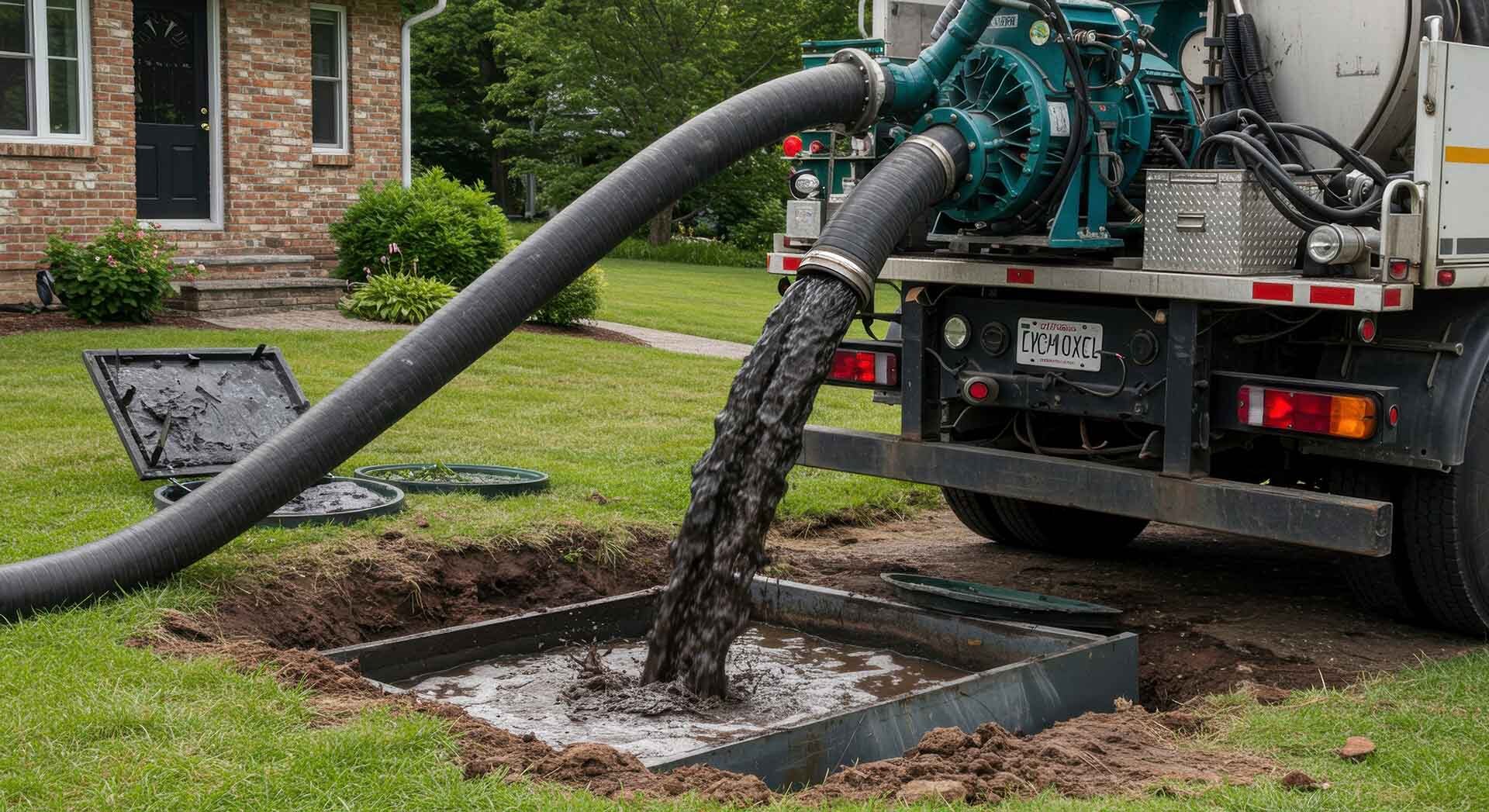
If your property isn’t connected to a municipal sewer line, your septic system does all the heavy lifting behind the scenes. Every shower, toilet flush, and load of laundry depends on it working properly. And if you think septic systems are uncommon, think again. More than one in five households across the U.S. rely on septic systems instead of city sewer lines, mainly in suburban and semi-rural areas.
That’s why choosing the right type of septic system is most important. But when it’s time to install a septic tank, most homeowners often can’t decide between an above-ground septic tank and an underground one.
Underground tanks are more common, right? But depending on your land, soil, water table, and budget, an above-ground system might actually be the smarter choice.
This blog explains both septic systems in detail, so you can make the right choice and protect your property and wallet.
| Find The Perfect Septic System For Your Property - Contact Us Now! |
What Are Underground Septic Tanks?
An underground septic tank is buried below the soil surface. It's a classic choice that most homes rely on. Wastewater flows from your building into the tank, where solids settle, liquids move to the drain field, and bacteria break down waste naturally.
Pros of Installing an Underground Septic Tank
- Clean & Invisible Appearance - Once installed, you won’t even notice it. No visible tank, no raised mound, just normal landscaping.
- Long-Term Durability - When properly installed and maintained, underground tanks can last for decades.
- Maintains Aesthetics - Many homeowners prefer underground systems because they don’t affect yard aesthetics. They can have a lush lawn, a garden, or a play area for the kids without any mounds in the ground.
- Temperature Control - Because it’s underground, the tank stays protected from heat. The surrounding soil helps regulate temperature and keeps bacteria working properly.
Cons of Installing an Underground Septic Tank
- Not Suitable for High Water Tables - If groundwater sits too close to the surface, wastewater won’t drain properly, and that’s a serious health risk.
- Costly Repairs When Issues Occur - Because the system is buried, repairs can involve excavation, which adds time and cost.
- Soil Restrictions - Clay-heavy or compacted soil can cause drainage problems, leading to frequent backups that would need emergency septic tank service.
What Are Above-Ground Septic Tanks?
An above-ground septic tank (mound system) sits partially or fully above the natural soil level. It treats wastewater using carefully layered sand and gravel rather than relying on deep soil absorption.
Wastewater from your home goes into a tank first, then gets pumped up to spread through perforated pipes in the mound. Bacteria in the sand break down the bad stuff before it seeps into the soil below.
These systems are commonly used when underground installation isn’t possible due to soil or groundwater issues.
Pros of Installing an Above-Ground Septic Tank
- Ideal for Poor Soil Conditions - Above-ground septic systems are great for properties with poor soil conditions, including high water tables, shallow bedrock, or areas prone to flooding
- Easier Access for Maintenance - Since components are closer to the surface, inspections, repairs, and septic service are often simpler.
- Environmentally Safer in Certain Areas - By keeping wastewater away from groundwater, these systems reduce contamination risks.
Cons of Installing an Above-Ground Septic Tank
- More Visible - Unlike underground systems, above-ground tanks usually include a raised mound. Even with landscaping, it may still be noticeable in your yard.
- Higher Installation Cost - Above-ground systems often cost more to install because they require additional materials and careful system design.
- Limited Use of the Area - You can’t drive, park, or build over the mound. Heavy weights can damage the system, so that part of the yard needs to stay clear.
Overall Comparison Between Above-Ground and Underground Septic Tanks
| Factor | Above-Ground Septic Tank | Underground Septic Tank |
|---|---|---|
| Soil Suitability | Works well with poor-draining, rocky, or shallow soil | Requires deep, well-draining soil |
| Water Table | Ideal for areas with high groundwater | Best for areas with a low water table |
| Installation Depth | Installed partially or fully above ground | Installed completely underground |
| Visibility | More visible due to a raised mound | Hidden from view once installed |
| Yard Use | The area over the system must remain clear | Yard space can usually be used normally |
| Installation Cost | Often higher due to added materials and design | Usually lower if soil conditions allow |
| Maintenance Access | Easier access for inspections and repairs | Septic service or repairs may require digging |
| Best Use Case | Challenging land conditions | Long-term residential or commercial properties |
Cost Comparison - Which One Is More Budget-Friendly?
It depends on your property.
- Underground systems are usually cheaper if your soil allows them. However, fixing a failed underground tank usually costs more because it involves digging.
- Above-ground systems cost more initially but can save you from repeated failures and emergency calls later.
You shouldn’t try to force any system onto unsuitable land. This only leads to frequent septic tank issues and unexpected repairs.
Which One Should You Choose - Above-Ground and Underground Septic Tanks
Choose an Above-Ground Septic Tank If
- Your property has a high water table or frequent flooding.
- Soil is rocky, shallow, or doesn’t drain well.
- Deep excavation isn’t possible or permitted.
Choose an Underground Septic Tank If
- You want the system to stay hidden from view.
- Your soil allows proper drainage and absorption.
- You want minimal impact on yard use and landscaping.
- You’re planning a long-term home or commercial building.
| Ensure Your Septic System Runs Smoothly - Contact Us! |
Frequently Asked Questions
Takeaway
Choosing between an above-ground and underground septic tank isn’t about familiarity or trends. You must know what works best for your land, home, and long-term peace of mind.
If you’re planning for septic system installation, replacement, or simply need reliable septic service, working with local experienced professionals septic service is very important.
Read More About:
- Buying a Home With a Septic Tank: Pros, Cons, and What to Expect
- Septic Tank Drain Field Problems: Causes, Signs, and Solutions
- Septic System Maintenance Mistakes
- What Causes a Septic Tank to Back Up & How to Prevent Them
Not Sure What Your Septic System Needs? Let Advance Septic Service LLC. Help!
The right type of septic system installation for your residential or commercial property in Rocklin starts with understanding your ground. At Advanced Septic Service LLC, we’ve spent 25 years mastering the local soil types, which makes us experts in choosing the right type of septic system for your property.
So if you want a septic tank installation but are not sure which one to choose, our experts will inspect your land and help you make the right decision.
Also, we do more than just pump septic tanks; we provide routine inspections and advanced maintenance services to help you avoid costly repairs and keep your system running at peak performance for decades.
Whether you need routine septic pumping in Rocklin or an emergency septic tank service in Rocklin, we’re here to help.
Call us at (916) 726-5150 or (530) 888-8960 to protect your septic system!